

sia Abrasives Floor Sanding Belts & Discs
-
 Original price $1.28 - Original price $2.05Original price$1.28 - $2.05$1.28 - $2.05Current price $1.28
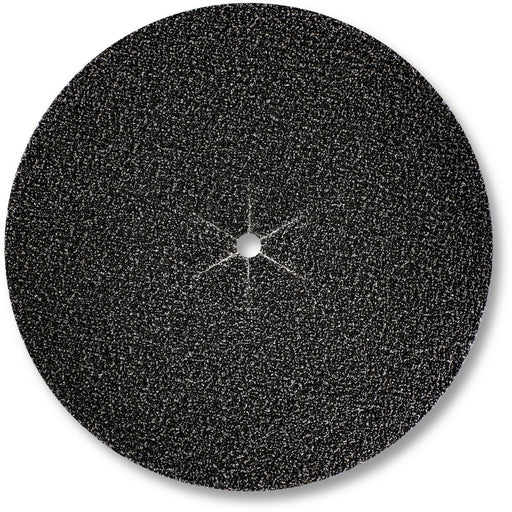
1749 178x22mm Disc CH-Star
The number one choice for sanding MDF, HDF, and chipboard, the 1749 siaral f is a specialist abrasive designed for keying these materials. It offer...
View full detailsOriginal price $1.28 - Original price $2.05Original price$1.28 - $2.05$1.28 - $2.05Current price $1.28 -
 Original price $11.81 - Original price $14.81Original price$11.81 - $14.81$11.81 - $14.81Current price $11.81
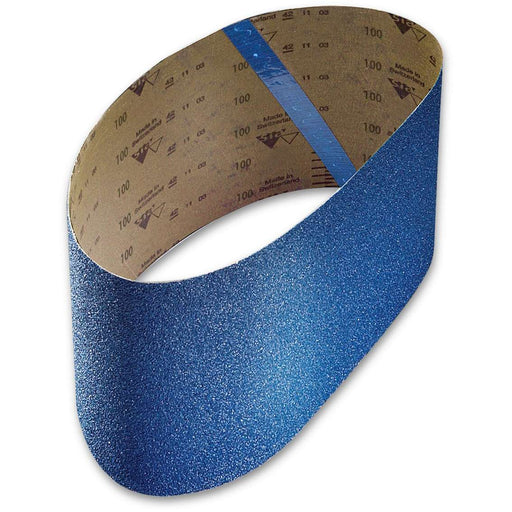
2800 200x750mm Zirconia Belt (8inch belt)
2800 Siaron Zirconia The 2800 Siaron Zirconia belt is a tough, aggressive performer, offering exceptional productivity and value for bare wood or n...
View full detailsOriginal price $11.81 - Original price $14.81Original price$11.81 - $14.81$11.81 - $14.81Current price $11.81 -
 Original price $1.10 - Original price $1.23Original price$1.10 - $1.23$1.10 - $1.23Current price $1.10
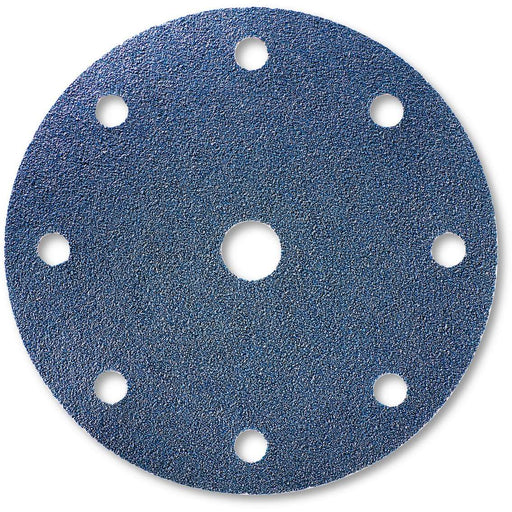
1815 150x18mm Disc DE-9H siafast
The sia 1815 siatop siafast disc is a 150 mm hook-and-loop sanding disc for timber. It has a zirconia alumina grain and the DE-9H hole pattern, and...
View full detailsOriginal price $1.10 - Original price $1.23Original price$1.10 - $1.23$1.10 - $1.23Current price $1.10
Sanding sets up the finish. Scratches left by the wrong grit show through oil or lacquer, and water-based lacquers highlight even fine scratches. This range covers the sia 2800 Siaron zirconia belt for 8-inch floor sanders and the sia 1749 siaral f disc in a 178mm format. sia is a Swiss manufacturer, and the 2800 belt is made for all types of timber floor surfaces. That makes it a practical choice for trade floor sanders and experienced renovators on hard Australian species such as spotted gum, blackbutt and jarrah, where a belt that cuts fast and runs cool keeps the job moving.
How to choose floor sanding abrasives
- Coarse cut, P24 to P40: this pass levels uneven boards and removes old coatings. The sia 2800 zirconia belt is built for high stock removal on bare wood or non-gummy finishes. P40 suits many floors, while painted, badly cupped or heavily coated floors may need P36 or P24 first.
- Engineered boards: the wear layer is limited, so start no coarser than P60 and take off only as much timber as the job needs.
- Medium passes, P60 then P80: these remove the coarse scratch and even out the surface. If you plan to fill, collect fine dust from the P80 pass: AquaSeal Pafuki is mixed with that dust and trowelled into joints up to 2mm, and wider joints need FlexFill or PAKstop from our wood floor fillers range.
- Final pass, P100 to P120: the 2800 belt range stops at P100. Our grit guide recommends finishing at 120 for water-based lacquers such as Berger-Seidle AquaSeal, and 100 to 120 for oils such as Rubio Monocoat and WOCA, because going too fine reduces how much oil the timber absorbs.
- Edges: bring the edger to the same grit as the main floor before moving on. For edgers that take a 178mm disc, the sia 1749 disc (178x22mm) comes in P40, P60 and P80 and lists hardwood and softwood among its suitable materials. Check your edger's pad size and centre hole before ordering.
For the full schedule, read the floor sanding abrasive grit guide, which also sets out the grit progression for each finish type. Working on interlocked grain? Spotted Gum: Australia's hardest floor to finish explains the diagonal first pass, and the spotted gum flooring guide covers the species itself.
Need help matching abrasives to your machine or finish? Call our technical line on 0401 270 818. Flooring contractors can apply for a trade account, and rollers, pads and trowels for filling and coating are in Tools & Accessories.
